


Arthroscopic Surgery (Knee, Shoulder, Ankle, Elbow)

About the procedure
Care before the procedure
- Avoid eating or drinking as instructed before surgery.
- Inform the doctor about current medications or allergies present.
- Arrange transportation for after the procedure due to sedation.
- Wear loose and comfortable clothing suitable for joint access.
Care during the procedure
- Local or general anesthesia will be administered for comfort.
- Small incisions are made for the camera and instrument insertion.
- Joint fluid may be used to expand and visualize area.
- Continuous monitoring of vital signs throughout the surgery is done.
Care after the procedure
- Apply ice and elevate the joint to reduce swelling.
- Take prescribed medications for pain and infection prevention.
- Begin gentle physiotherapy as advised by your surgeon.
- Keep incision sites clean and dry to promote healing.
Eligibility
- Individuals with persistent joint pain, swelling, or locking affecting daily activities, not relieved by conservative measures.
- Patients with diagnosed meniscus tears, ligament injuries, or cartilage damage requiring precise repair or removal.
- Athletes or physically active people needing early return to sports after joint injuries.
- People with loose bodies or structural joint abnormalities detected through imaging or clinical examination.
Relevant Specialties
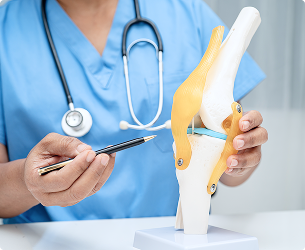
Orthopaedics (Orthopaedic Surgery)
Orthopaedics focuses on the musculoskeletal system, including bones, joints, muscles, and ligaments.
It supports individuals with a wide range of conditions that may affect movement, strength, and overall physical function. The specialty plays an important role in helping patients maintain mobility, manage discomfort, and improve their quality of life over time.
At KIMSHEALTH, orthopaedic care is delivered through a patient-centered approach, focusing on recovery, movement, and long-term quality of life.
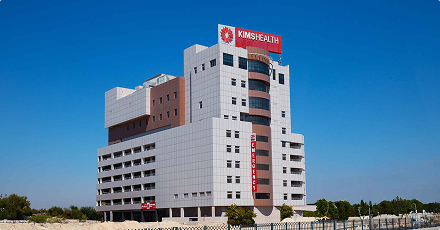
Bahrain
A trusted destination for specialised medical care supported by expert clinical professionals.
KIMSHEALTH Bahrain
6
Facilities
120+
Doctors
25+
Specialities
40+
Services
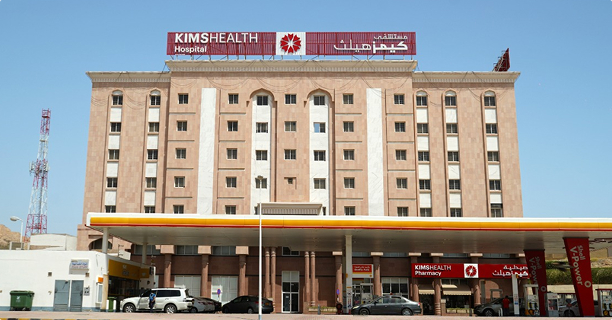
Oman
A trusted destination for specialised medical care supported by expert clinical professionals.
KIMSHEALTH Oman3
Facilities
80+
Doctors
30+
Specialties
20+
Services

Saudi Arabia
The largest multispeciality clinic in Jubail, offering quality medical care to the citizens.
KIMSHEALTH Saudi Arabia2
Facilities
50+
Doctors
20+
Specialties
10+
Services

UAE
A trusted destination for specialised medical care supported by expert clinical professionals.
KIMSHEALTH UAE2
Facilities
40+
Doctors
15+
Specialties
40+
Services